Creating a family command center is a practical way to help your household stay organized, communicate effectively, and manage daily tasks smoothly. Whether you have kids juggling school and activities or adults balancing work and errands, a centralized spot for calendars, reminders, and important documents can make a big difference.
In this guide, you’ll learn how to set up a family command center that fits your space and lifestyle, with simple tools and strategies to keep everyone on the same page.
What Is a Family Command Center?
A family command center is a dedicated area in your home designed to organize key information and tasks in one visible place. It often includes things like calendars, chore charts, a message board, and storage for mail or important papers.
Think of it as a home base that helps reduce clutter and confusion by clearly displaying what each family member needs to know or do.
Choosing the Right Location
Before gathering supplies, pick a spot that everyone passes by regularly. Common choices include:
– Kitchen wall or pantry door
– Hallway near the front door
– Mudroom or entryway
– Home office corner
Make sure the space has enough room for the items you want to include and is easily accessible to all family members.
Essential Elements to Include
While every family’s needs are different, here are some core components that most command centers benefit from:
1. Shared Calendar
A large calendar (wall-mounted, whiteboard, or chalkboard) helps track appointments, school events, work schedules, and deadlines. Color-coding by family member adds clarity.
2. To-Do and Chore Lists
Visual lists for daily or weekly chores encourage responsibility and keep chores from falling through the cracks. Magnetic chore charts or clipboards work well.
3. Message Board
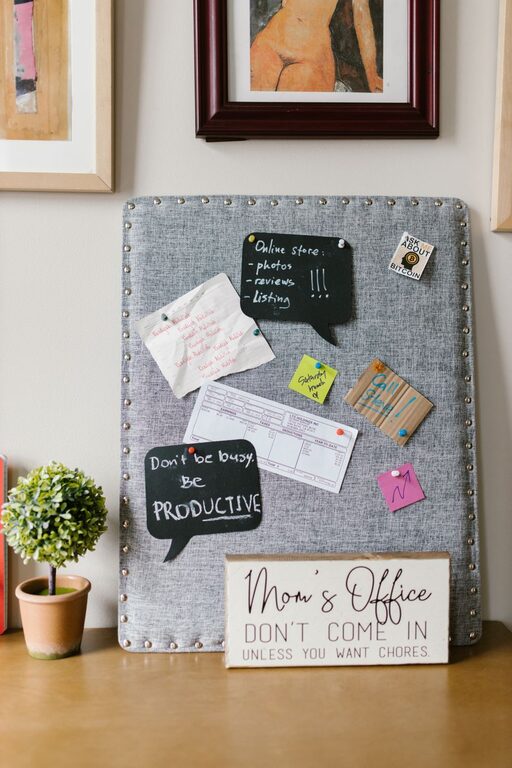
A place to leave notes, reminders, and encouragement. Dry-erase boards or cork bulletin boards make it easy to update and personalize messages.
4. Mail and Paper Storage
Use bins, trays, or pockets to sort incoming mail, school notices, bills, and coupons. This helps prevent paper clutter and makes it easy to find documents.
5. Key and Accessory Hooks
Hooks or small shelves keep keys, sunglasses, reusable bags, and masks handy when heading out the door.
Optional Add-Ons
Depending on your family’s needs, consider adding:
– Charging station for phones and tablets
– Family phone list or emergency contacts
– Inspirational quotes or family rules
– Homework or project folders for kids
– Weekly menu planner
Gathering Supplies
You don’t have to spend much to build a functional command center. Many supplies can be found at home or easily purchased:
– Whiteboard, chalkboard, or large calendar
– Cork or magnetic board
– Clipboards or file holders
– Baskets or bins
– Hooks or small shelves
– Markers, magnets, pins
Step-by-Step Setup Guide
- **Clear the space.** Remove clutter and clean the designated area.
- **Plan your layout.** Arrange the calendar, boards, and storage to fit your wall size and family flow.
- **Install all boards and hooks.** Use nails, screws, or adhesive strips depending on your wall type.
- **Set up storage bins and organizers.** Group mail, papers, and supplies logically.
- **Add labels and supplies.** Label sections clearly and provide pens, markers, and magnets within reach.
- **Fill in your calendar and lists.** Start with known events and chores.
- **Explain the system.** Walk your family through using the command center and encourage regular updates.
Maintaining Your Command Center
To keep your command center effective:
– Review and update the calendar weekly.
– Rotate chore charts as needed.
– Remove outdated papers daily or weekly.
– Encourage family members to add notes or reminders.
– Keep supplies stocked and organized.
Tips for Success
– Keep it simple. Avoid overcrowding the space with too many items.
– Make it fun. Involve kids in decorating or designing the center.
– Use technology. Sync digital calendars or reminders with the physical calendar, if possible.
– Adjust as needed. Your family’s needs may change, so be flexible and update the system accordingly.
Conclusion
A family command center can bring calm and order to a busy household by centralizing schedules, chores, and communication. With just a small corner, some basic supplies, and a plan, you can create a system that helps everyone stay informed and involved.
Try setting one up today and enjoy the smoother days ahead!
About the Author